
In today’s evolving world, the number of single individuals, especially successful women, continues to rise. This trend has sparked common questions in society: “Why are so many women choosing to remain single?” or “What is holding successful women back from marriage?”
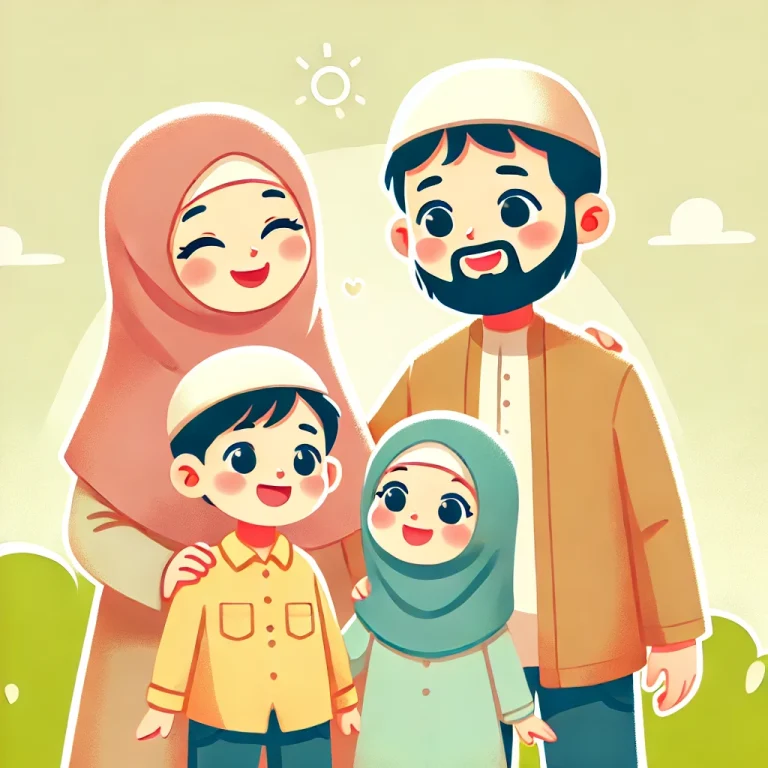
Love is undoubtedly a beautiful phenomenon—a journey everyone deserves to experience. But as society evolves and adapts to modern trends, generational shifts, and advanced lifestyles, traditions, and societal norms are gradually being sidelined.
In the 19th and early 20th centuries, early marriage was a common societal practice. Young girls envisioned marriage as a life goal, inspired by fairy tales and romanticized stories where a “prince charming” would sweep them off their feet. Ironically, many of these now independent, unmarried women grew up captivated by such narratives.
Marriage is a cornerstone of a balanced life in Islam. It is a sacred union designed to foster companionship, love, and mutual support. Yet, the modern societal emphasis on career-driven goals and changing expectations has introduced challenges that complicate the pursuit of marital harmony.
In this article, we’ll explore three reasons why successful women over 27 years old remain single and offer practical advice on how to realign with traditional Islamic values to achieve fulfillment in both personal and professional spheres.
Table of Contents
ToggleMisinterpreting Independence
In Islam, women are granted independence, dignity, and autonomy in their personal lives, but within the framework of marriage, there is a special dynamic of mutual rights and responsibilities. Allah says in the Qur’an:
“Men are the protectors and maintainers of women because Allah has given one more (strength) than the other, and because they support them from their means.”
(Suratun Nisa verse 34)
This verse highlights the complementary roles of men and women in marriage. A wife is encouraged to be obedient to her husband within the limits of Islamic principles, while a husband is obligated to provide and care for his wife.
In today’s world, independence is often celebrated as self-sufficiency without the need for a partner. While self-sufficiency is commendable, it can lead to misconceptions about the value of marriage. This mindset sometimes creates conflict when transitioning into married life, where mutual dependency and cooperation are central.
For instance, the high-profile divorce of Johnny Depp and Amber Heard highlighted the dangers of modern concepts of independence clashing with the demands of marriage. Amber Heard’s domineering behavior during their relationship serves as a cautionary tale of how unchecked independence can erode marital harmony.
By contrast, consider the example of Khadijah (may Allah be pleased with her), the wife of the Prophet Muhammad (peace be upon him). Despite being a wealthy and successful businesswoman, she fully supported her husband, demonstrating how independence can align with love, respect, and partnership.
Fear of Loss
Another significant barrier to marriage is fear. Successful women often fear losing their hard-earned stability, emotional well-being, or even their personal identities. While such concerns are valid, Islam offers a framework of trust and mutual respect to alleviate these fears.
The Prophet Muhammad (peace and blessings be upon him) said:
“The best of you are those who are best to their wives.”
(Sunan al-Tirmidhi, Hadith 1162, Sahih)
This Hadith highlights that a marriage built on Islamic principles prioritizes kindness, protection, and mutual care, reducing the fear of betrayal or exploitation.
Modern society often pressures women into believing that being single is safer or that marriage is fraught with risks. However, this fear can deprive individuals of the blessings and tranquility marriage brings. Allah describes the marital bond beautifully in the Qur’an:
“And among His signs is that He created for you spouses from among yourselves so that you may find tranquility in them, and He placed between you affection and mercy. Verily in that are signs for a people who reflect.”
(Suratur Rum verse 21)
Key Takeaway: Trust in Allah’s wisdom and guidance, and view marriage as a source of peace and mercy rather than a risk.
Career-Focused Mindset
In the modern era, many women delay marriage to focus on their careers, mirroring a trend once predominantly associated with men. This shift is influenced by societal expectations that equate success with professional achievements, often at the expense of personal connections.
However, Islam teaches that marriage and career are not mutually exclusive. Both can be pursued with balance and intention.
The Prophet Muhammad (peace and blessings be upon him) encouraged believers to prioritize family life:
“When a man marries, he has fulfilled half of his religion, so let him fear Allah regarding the remaining half.”
(Sunan al-Tirmidhi, Hadith 3096, Sahih)
The pursuit of career goals should not overshadow the importance of fulfilling one’s religious duties, including marriage. Striving for success in both areas requires prioritizing and allocating time for what truly matters.
Key Takeaway: Shift the mindset that career and marriage are opposing goals. Instead, see them as complementary pursuits that enrich your life in different ways.
Final Thoughts
The challenges faced by successful women over 27 in finding love are not insurmountable. They stem from modern societal norms, misplaced priorities, and fear of the unknown. However, these hurdles can be addressed by embracing Islamic values and fostering a mindset of balance and trust.
Matchmaking Apps like Quluub have identified these gaps and created a platform specifically for women in this age group and financial standing. Quluub offers a faith-based solution by helping women find partners who share their values and goals. By prioritizing compatibility and mutual respect, these platforms bridge the gap between modern aspirations and traditional Islamic teachings.
As you navigate the journey to marriage, remember that success in life is not solely defined by professional achievements but also by the relationships we build and nurture. With faith, intention, and effort, it’s possible to align independence with companionship and find the tranquility that marriage brings.