
Table of Contents
ToggleIntroduction
Marriage is a significant institution in Islam, serving as a foundation for personal growth, family life, and society as a whole. More than just a legal bond, marriage is a divine blessing that brings companionship, emotional support, and spiritual fulfillment. The Prophet Muhammad (peace be upon him) said:
“Marriage is part of my Sunnah, and whoever does not follow my Sunnah has nothing to do with me.” (Ibn Majah 1846)
This article explores 10 amazing benefits of marriage in Islam, shedding light on why it is highly encouraged in the faith.
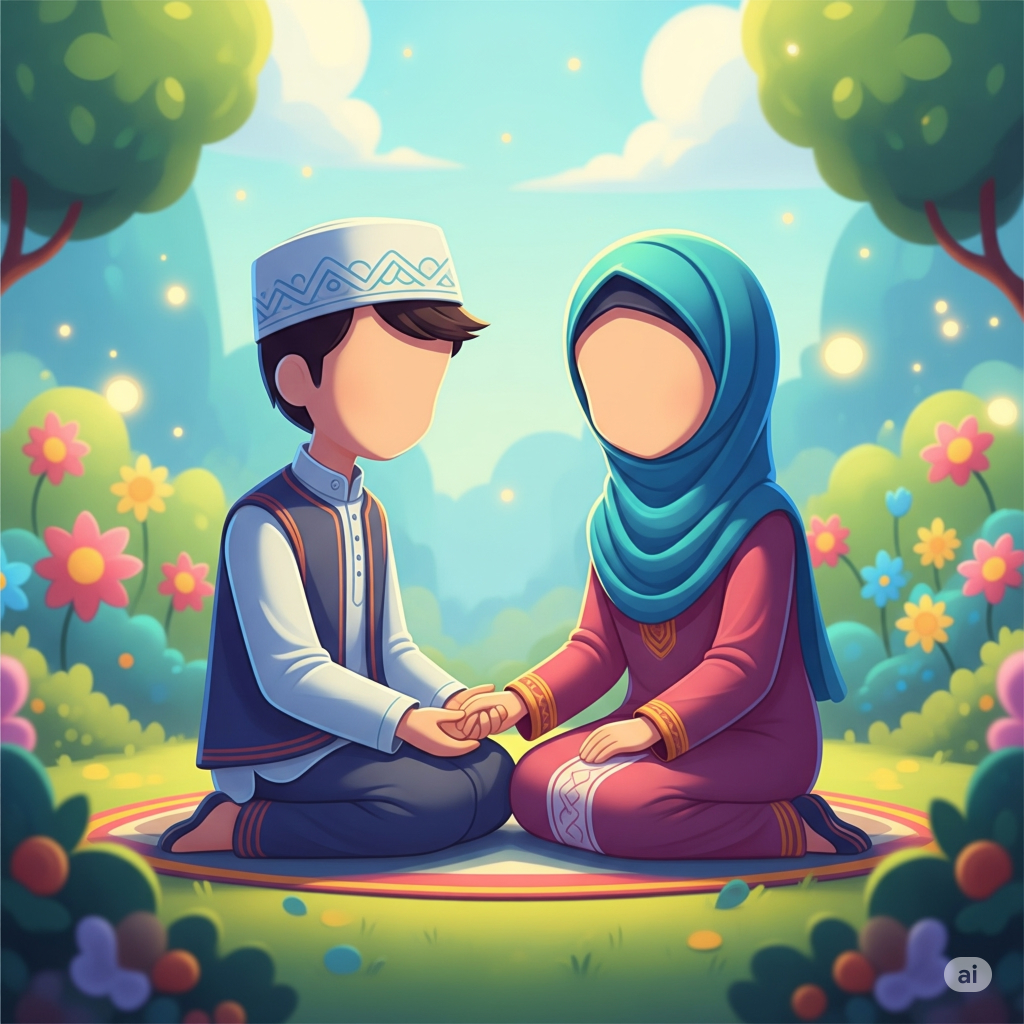
1. Marriage Strengthens Faith (Iman)
One of the greatest benefits of marriage in Islam is its ability to strengthen one’s faith. A righteous spouse encourages prayer, fasting, and good deeds, helping both partners stay on the right path. The Prophet (peace be upon him) said:
“When a person gets married, he has completed half of his religion, so let him fear Allah regarding the remaining half.” (Al-Bayhaqi, Shu’ab al-Iman; Al-Albaani graded this hadith Hasan)
A marriage built on Islamic principles ensures that both partners support each other spiritually and strive for Jannah (Paradise) together.
2. Marriage Provides Emotional and Psychological Comfort
Marriage offers emotional stability, reducing stress and loneliness. Allah describes the peace and comfort found in marriage in the Qur’an:
“And among His Signs is that He created for you spouses from among yourselves, that you may find tranquility in them; and He placed between you affection and mercy…” (Surah Ar-Rum; verse 21)
A loving spouse becomes a source of support during life’s trials, making marriage an essential part of mental and emotional well-being.
3. Marriage Promotes Modesty and Chastity
Islam encourages marriage as a means of preserving chastity. The Prophet (peace be upon him) said:
“O young men! Whoever among you can afford marriage, let him marry, for it is more effective in lowering the gaze and guarding chastity…” (Sahih al-Bukhari 5066, Sahih Muslim 1400)
Through marriage, Muslims can fulfill their natural desires in a halaal (permissible) manner, protecting themselves from sin and temptation.
4. Marriage Leads to Personal Growth and Responsibility
Marriage teaches individuals responsibility, patience, and selflessness. Both husband and wife must work together to maintain a healthy home, which helps them develop essential life skills.
Caring for a spouse and children encourages maturity and personal development, making marriage a transformative experience.
5. Marriage Strengthens the Ummah (Muslim Community)
Strong families create strong communities. Marriage fosters unity, connecting families through love, shared values, and mutual support.
When marriages are based on Islamic principles, they produce righteous children who contribute positively to society. A well-structured family unit ensures the stability of the Ummah for generations to come.
6. Marriage Brings Barakah (Blessings) in Life
A halaal marriage brings immense blessings into one’s life. The Prophet (peace be upon him) said:
“Three people have a right upon Allah to be helped: the one who fights in Allah’s cause, the slave who wants to buy his freedom, and the one who seeks marriage to remain chaste.” (Tirmidhi 1655)
By following Allah’s command and marrying for the right reasons, a person receives divine assistance and barakah in their life.
7. Marriage Helps in Raising Righteous Children
Children raised in an Islamic household with loving and pious parents are more likely to grow up with strong faith and moral values. The Prophet (peace be upon him) said:
“Each of you is a shepherd, and each of you is responsible for his flock…” (Sahih al-Bukhari 893, Sahih Muslim 1829)
Marriage provides a stable environment for children, allowing them to develop spiritually, emotionally, and intellectually.
8. Marriage Encourages Patience and Forgiveness
A successful marriage requires patience, understanding, and forgiveness. The Prophet (peace be upon him) was the best example of kindness towards his wives, advising:
“The best of you are those who are best to their wives.” (Sunan Ibn Majah 1977)
Through marriage, individuals learn to be more forgiving, humble, and compassionate—qualities that strengthen relationships and improve character.
9. Marriage Allows Spouses to Support Each Other’s Dreams
A righteous spouse is a source of motivation and encouragement. Whether in career, education, or religious devotion, a supportive partner inspires personal and professional growth.
The Prophet’s wife, Khadijah (may Allah be pleased with her), was a perfect example of this. She supported the Prophet (peace be upon him) emotionally and financially when he first received revelation. A strong marriage allows both spouses to flourish.
10. Marriage is a Means to Earn Rewards from Allah
Marriage is an act of worship in Islam. Every act of love, service, and sacrifice within marriage earns rewards from Allah. The Prophet (peace be upon him) said:
“Even when one of you has intimate relations with his wife, he will be rewarded for it.” (Sahih Muslim 1006)
From providing for the family to showing kindness, every effort made in marriage accumulates good deeds and brings a couple closer to Allah.
Conclusion
Marriage in Islam is a blessing that brings immense spiritual, emotional, and societal benefits. It strengthens faith, provides companionship, and creates strong families, making it one of the most important aspects of a Muslim’s life.
If you are seeking marriage, remember to pray for guidance, seek righteous companionship, and trust in Allah’s plan. May Allah bless all Muslim marriages with love, mercy, and barakah. Aameen.
Barakallahu feekum