There are many reasons to avoid Haram wealth. Some of these are self-evident, while others may not be apparent to those without a strong understanding of Islam. Regardless, the harms of Haram wealth are significant, both in this world and in the hereafter, and they should be avoided at all costs.
One of the greatest prohibitions in Islam regarding wealth is riba (usury or interest). Allaah (the Most Wise) warns us sternly in the Qur’an about engaging in riba:
“O you who have believed, do not consume usury, doubled and multiplied, but fear Allah that you may be successful. And fear the Fire, which has been prepared for the disbelievers.” (Surah Aal-e-Imran verse 130)
In another verse, He says: “Those who consume interest cannot stand [on the Day of Resurrection] except as one stands who is being beaten by Shaytaan into insanity. That is because they say, ‘Trade is [just] like interest.’ But Allah has permitted trade and has forbidden interest.” (Suratul Baqarah verse 275)
Another impermissible way of acquiring wealth is through cheating or deceiving others. Allaah says:
“Woe to those who give less [than due], who, when they take a measure from people, take in full. But if they give by measure or by weight to them, they cause loss.” (Suratul Mutaffifin verses 1–3)
Having understood some examples of Haram wealth, let us now examine the reasons to avoid it.
Haram wealth deprives us of barakah (blessings). The scholars define barakah as the presence of divine goodness and stability in one’s affairs. Allaah mentions:
“And if only the people of the cities had believed and feared Allah, We would have opened upon them blessings from the heaven and the earth; but they denied [the messengers], so We seized them for what they were earning.” (Suratul A’raaf verse 96)
When wealth is earned in ways that are impermissible, the blessings are stripped away, and it becomes a source of harm rather than benefit.
Being Distant from Allaah’s Mercy
The Prophet (may Allaah exalt his mention and grant him peace) described the state of a man in a well-known hadith:
“A man, having journeyed far, is disheveled and dusty. He raises his hands towards the sky, saying, ‘My Lord! My Lord!’ while his food is unlawful, his drink is unlawful, his clothing is unlawful, and he has been nourished with what is unlawful. How then will his supplication be accepted?” — Sahih Muslim
This shows the profound spiritual consequences of Haram wealth—it prevents one from attaining Allaah’s mercy and having their prayers answered.
Increased Calamities and Losses
Engaging in Haram wealth increases the likelihood of calamities, financial losses, and the suffering of loved ones. Allaah warns:
“And whatever strikes you of disaster – it is for what your hands have earned; but He pardons much.” (Surat Ash-Shura verse 30)
When we bring impermissible wealth into our lives, it often brings with it trials and tribulations that strip us of peace and stability.
Strained Relationships
Haram wealth can strain relationships within the family. For instance, a home purchased with interest-based loans could bring the influence of Shaytaan into the household. Shaytaan’s ultimate goal is to create discord and lead people astray. Allaah says:
“Indeed, Shaytaan is an enemy to you; so take him as an enemy. He only invites his party to be among the companions of the Blaze.” (Suratul Faatir verse 6)
We must be vigilant and avoid any means that could empower Shaytaan to sow discord within our families.
Financial Instability and Debt
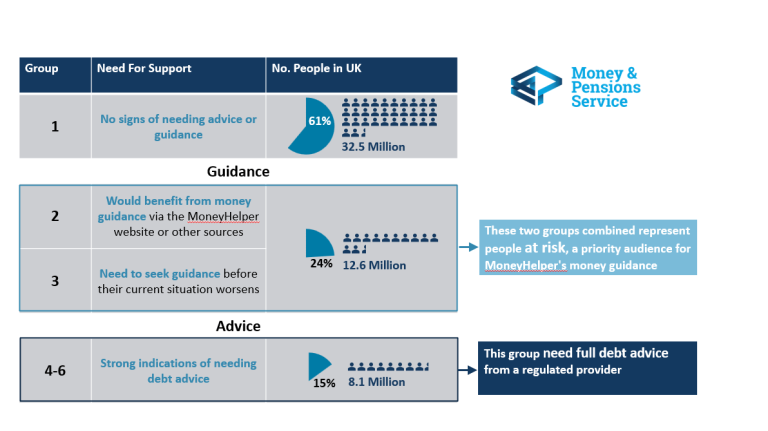
Even from a purely worldly perspective, Haram wealth, particularly interest-based loans, leads to financial instability. According to the 2023 UK Debt Survey, 15% of the adult population (equivalent to 8.1 million people) fell into unmanageable debt.
Many individuals who appeared wealthy on the surface have gone bankrupt due to dealing in riba. Notable examples include celebrities like Michael Jackson and 50 Cent, who earned millions yet faced severe financial crises due to impermissible dealings.
Leading to the Fire of Jahannam
The most serious consequence of Haram wealth is that it may lead to Jahannam. Allaah warns us against the traps of Shaytaan:
“Indeed, Shaytaan is an enemy to you; so take him as an enemy. He only invites his party to be among the companions of the Blaze.” (Suratul Faatir verse 6)
Shaytaan uses Haram wealth as a means to draw us closer to other sins. A person who compromises on riba might find it easier to engage in other sins like zina or deceit. This gradual deviation can ultimately lead to destruction.
Final Thoughts
It may feel enticing to pursue Haram means of wealth, but don’t do it. The temporary gains are not worth the damage to your dunya and aakhirah. Haram wealth robs us of blessings, peace, and mercy while inviting calamities, strained relationships, and ultimate loss in the hereafter.
We ask Allaah to protect us from Haram wealth and guide us to earn and spend in ways that are pleasing to Him.